Business programme architecture released for Eastern Economic Forum 2026
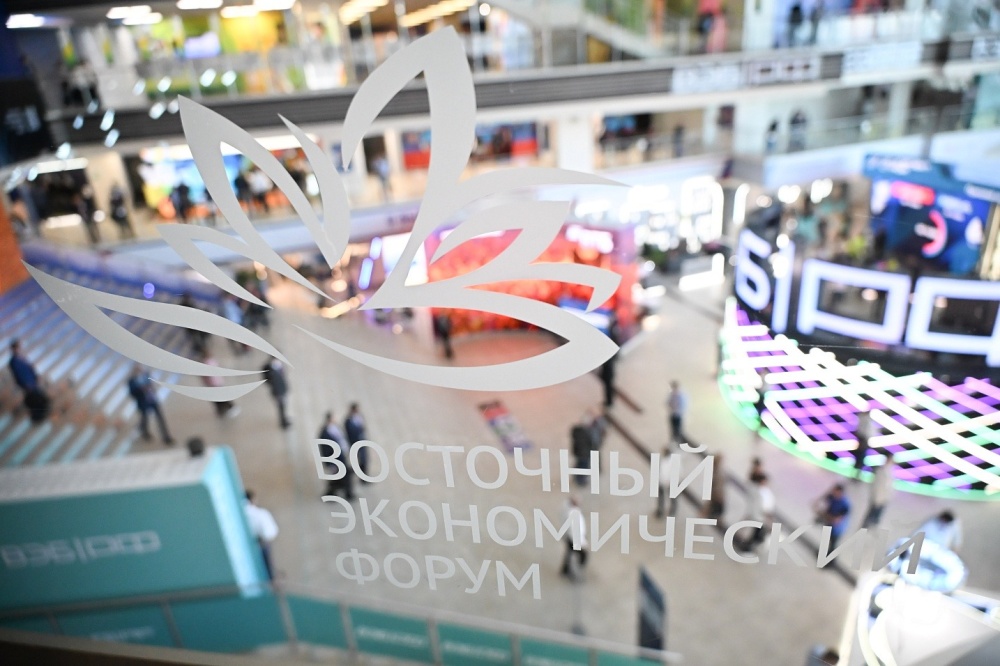
The business programme architecture for the Eastern Economic Forum (EEF) 2026 has been posted on the event’s official website. The EEF will take place on 1–4 September at the Far Eastern Federal University campus in Vladivostok. This main theme of this year’s Forum is ‘The Far East: Development for the Benefit of People’. The event is being organized by the Roscongress Foundation with the support of the Russian government.
“The Eastern Economic Forum has become an effective tool for the socioeconomic development of the Far East. During the early years of the Forum, the main objectives were focused on the macro-region’s economic revitalization – modernizing existing enterprises and building new ones, bringing technology to the regions, and creating high-skill jobs. Thanks to state support measures, nearly RUB 7 trillion in investment has flowed into the Far East and the Arctic, and 197,000 jobs have been created. Economic incentives have helped lay the groundwork for further development and enabled us to devote even more attention to the social sphere. In addition, special instruments have been introduced, such as the preferential Far Eastern and Arctic mortgages and the free allocation of land as part of the Hectare programme. Social infrastructure continues to be modernized with funding from the presidential unified subsidy for the Far East. Based on instructions from the Russian president, large-scale renovation projects are being implemented in 25 Far Eastern cities and 15 key Arctic cities. This is all being done to transform the Far East and the Arctic into regions that are both comfortable for working and living. At the Eastern Economic Forum, we will discuss what we have already achieved and the work that lies ahead,” Deputy Prime Minister of the Russian Federation, Presidential Plenipotentiary Envoy to the Far Eastern Federal District, and Chairman of the EEF Organizing Committee Yury Trutnev said.
The business programme is divided into five thematic tracks: ‘Living and Working in the Far East’, ‘Mechanisms for Attracting Private Investments’, ‘The Far East – A Pole of International Interaction’, ‘Technologies of the Present and the Future’, and ‘Logistics and Infrastructure for Economic Growth’.
“The world is currently going through a systemic transformation due to the fact Western economic and technological institutions have proven unable to ensure global development. Today, their goal is to curb the development of countries that do not align with the position of the collective West. In these circumstances, establishing a sovereign economy is a prerequisite for steady progress. Its key components include the active adoption of technological innovations, the development of human capital, and international cooperation based on pragmatism and mutual respect. These focuses are reflected in the Eastern Economic Forum programme. It covers a wide range of topics – from technological cooperation and the diversification of international logistics routes to advancements in artificial intelligence, robotic process automation, the introduction of unmanned technologies, and growth in the platform economy. I would emphasize that the measurable outcome of any systemic change is an improvement in people’s quality of life. This priority in particular is reflected in the Forum’s main theme this year. I firmly believe that the dialogue at the EEF will lead to systemic solutions that ensure Russia’s sustainable socioeconomic development,” Adviser to the President of the Russian Federation and EEF Organizing Committee Executive Secretary Anton Kobyakov said.
The ‘Living and Working in the Far East’ track will focus on staffing issues to support the macro-region’s rapid development, as well as creating a comfortable living environment. The discussions will examine the role of universities as technology drivers, how to boost the export potential of creative products, the implementation of master plans for Far Eastern cities, housing policy, and socio-architectural practices that could improve living standards.
The ‘Mechanisms for Attracting Private Investments’ track will look at ways to upgrade the extractive and industrial sectors, develop preferential regimes for the Far East and the Arctic, implement investment projects, establish an eastern financial centre in the macro-region, and streamline business reporting.
The ‘The Far East – A Pole of International Interaction’ track will focus on cooperation with Asia-Pacific nations and key areas of collaboration. Some of the key topics include the new economics of international aviation, tourism as a tool of soft power, and consumer protection.
Participants in the ‘Technologies of the Present and the Future’ track will discuss the integration of artificial intelligence into various aspects of life, robotic process automation, and the potential of autonomous transport, among other issues. The discussions will focus on the platform economy, effective financing strategies for technological leadership projects, the establishment of data centres, and the bioeconomy.
The ‘Logistics and Infrastructure for Economic Growth’ track will examine the development of transport corridors, the expansion of gas infrastructure for the Far East, the Northern Sea Route, and other topics.
The business programme of the Far East Street exhibition will feature an open plenary session on Muravyov-Amursky 2030 programme projects, the business game ‘Vladivostok 2050: Designing the City of the Future’, and events related to the ‘Far East – the Land of Adventure’ contest and tourism products that have been created within the macro-region.
The EEF will also include the Creative Industries Forum, the Day of the Future Youth Forum, the Falcon Day International Forum, the SME Forum, the Apec Conference on Cooperation in Higher Education, and the conference ‘Crossroads of Civilization: The Role of Transport Integration in the History of the Asia-Pacific’. Russia will also hold business dialogues with China, India, the UAE, Mongolia, Vietnam, and ASEAN.